Growing Fruit in Idaho’s Cold Mountain Towns
Yes, You Can Grow Fruit in Idaho’s Mountain Towns
If you live in McCall, New Meadows, Cascade, Council, Rexburg, Island Park, or Salmon, you’ve probably been told fruit trees just don’t work up here. Maybe you tried. You bought a Honeycrisp or a Bartlett from a big-box store, it made it through the winter, and then it never gave you a ripe crop.
That’s not because fruit can’t grow in cold country. It’s because most nurseries sell trees bred for long, mild seasons. Choose the right varieties and plant them the right way, and a mountain orchard has a real chance to reward your family with homegrown fruit.
The Real Problem Isn’t Winter Cold
Most mountain gardeners worry about winter, but cold is rarely what stops fruit trees here. Plenty of varieties handle -30°F or colder. The real challenges come in spring and fall.
- A short growing season. Some high valleys, like New Meadows, can see as few as 60 frost-free days. A tree that needs until October to ripen its fruit simply runs out of time.
- Late spring frosts. Frost can hit well into June. Trees that bloom early, like most apricots and peaches, lose their blossoms and with them the year’s crop.
- Big temperature swings. Warm afternoons and freezing nights stress trees that weren’t bred for them.
While mountain weather is still unpredictable, starting with the right plants helps increase the likelihood of a great fruit crop. Young trees usually take a few years to start bearing.
The Best Fruits for Short-Season Idaho
The secret is choosing varieties that bloom late, ripen early, and were bred in places like Minnesota and Canada. Here are some fruits we recommend for high-country orchards.
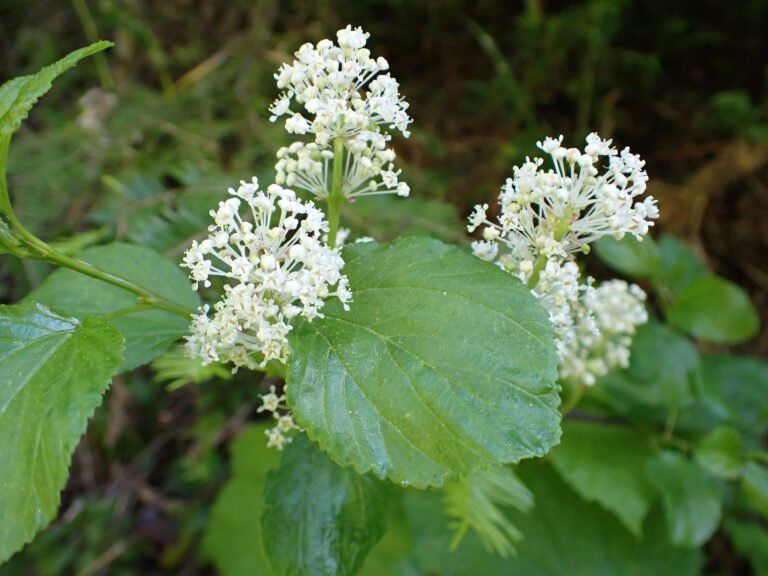
Serviceberries: If one fruit belongs in every high-country orchard, it’s the serviceberry. Also called saskatoon, it grows wild across Idaho’s mountains, shrugs off bitter winters, and ripens in early to mid July, long before fall frost. Named varieties such as Smoky and Northline produce larger, sweeter berries than the wild bushes along mountain roads, with a blueberry-like flavor and a hint of almond, but without the acidic soil blueberries demand. They’re delicious fresh and make excellent jam, pies, and syrup, and they freeze or dry beautifully for use all year. Protect young plants from deer with fencing or cages, net the bushes as the berries turn purple to keep birds away, and plant away from junipers to avoid rust. Serviceberries usually bear well in 3–4 years and keep producing for decades, which is why we build our High Country orchards around them.
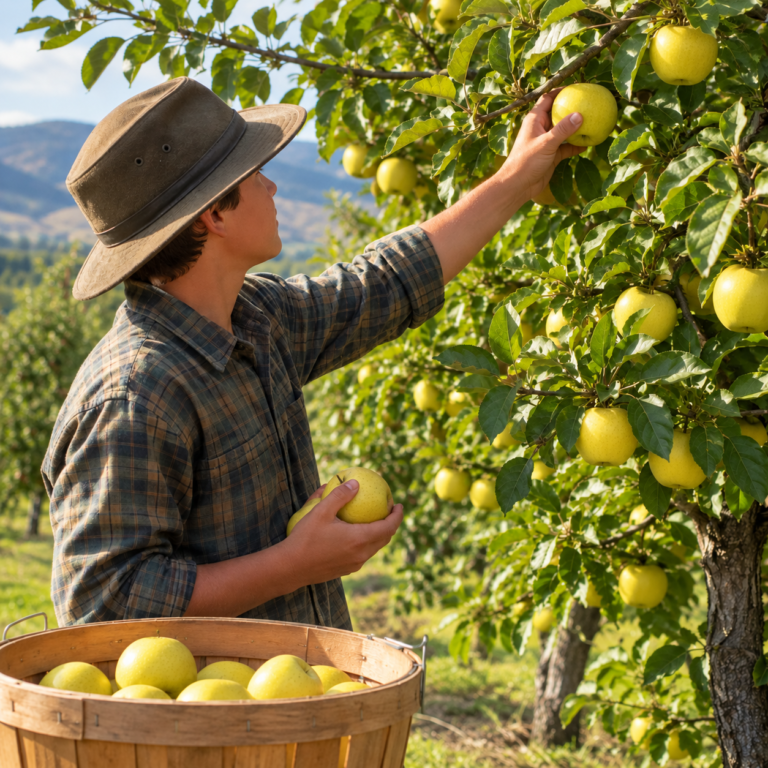
Apples. Look for varieties that typically ripen in August, usually ahead of fall freezes. Zestar is crisp and sweet-tart and keeps for weeks. State Fair is juicy and ripens evenly. Mantet has a rich, McIntosh-style flavor, and Oriole is great fresh or baked. Honeycrisp, Liberty, Fuji and other October apples often won’t finish in time.
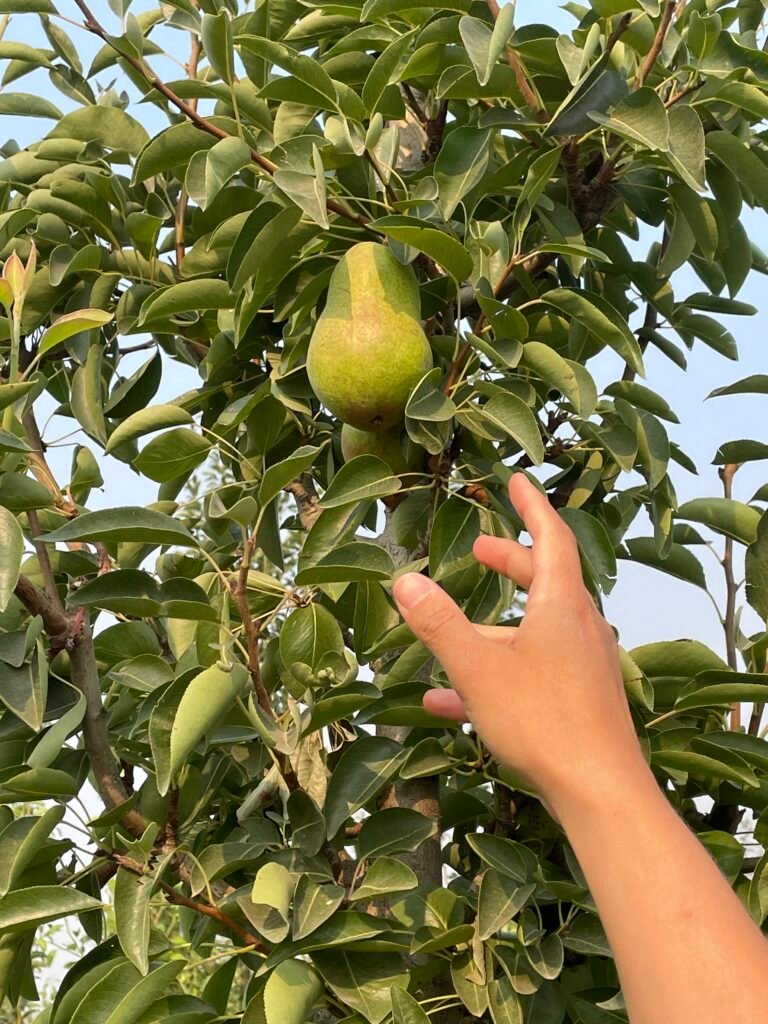
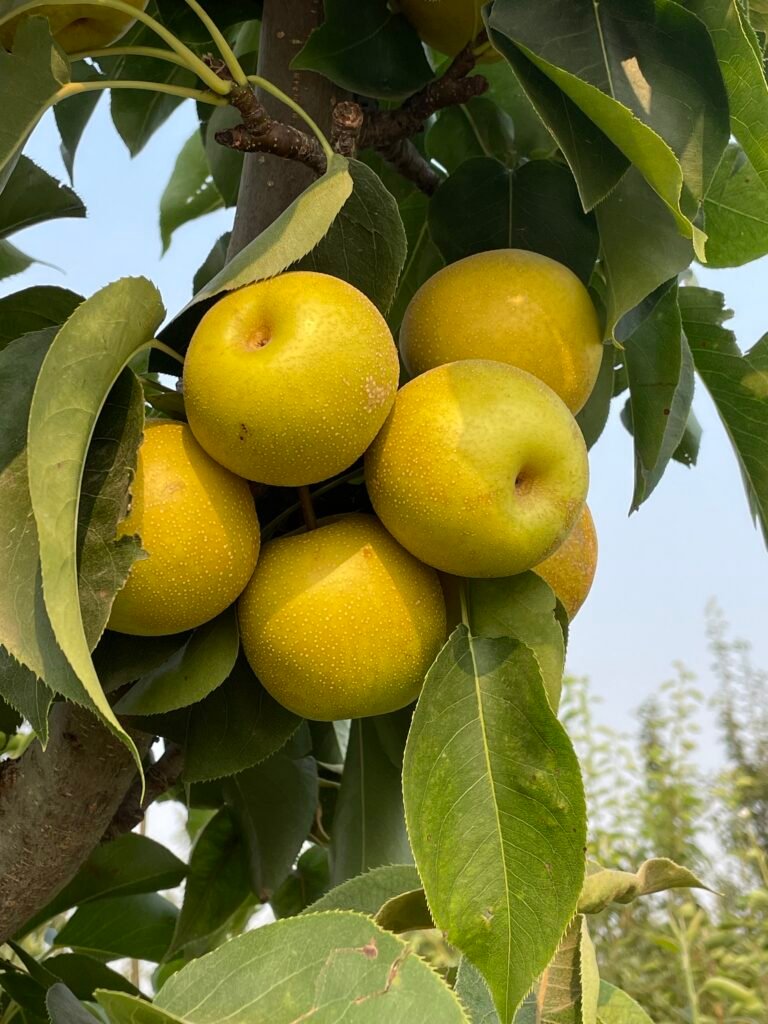
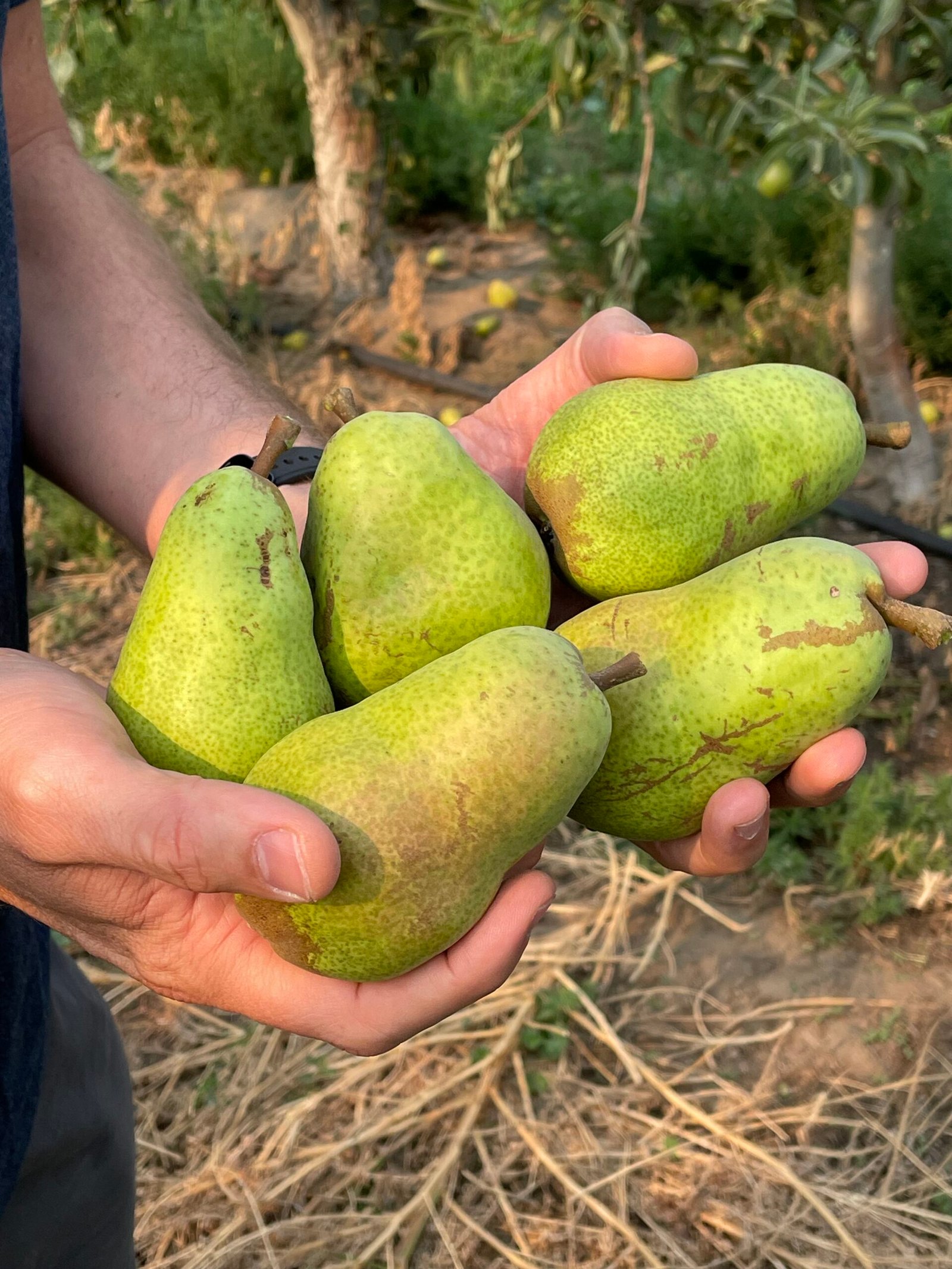
Pears. Cold-hardy summer pears like Summercrisp, Ure, Tyson, and Loma typically ripen in August and handle mountain winters well. As a bonus, fire blight, a common pear disease in warmer valleys, is much less of a problem in cool mountain areas.
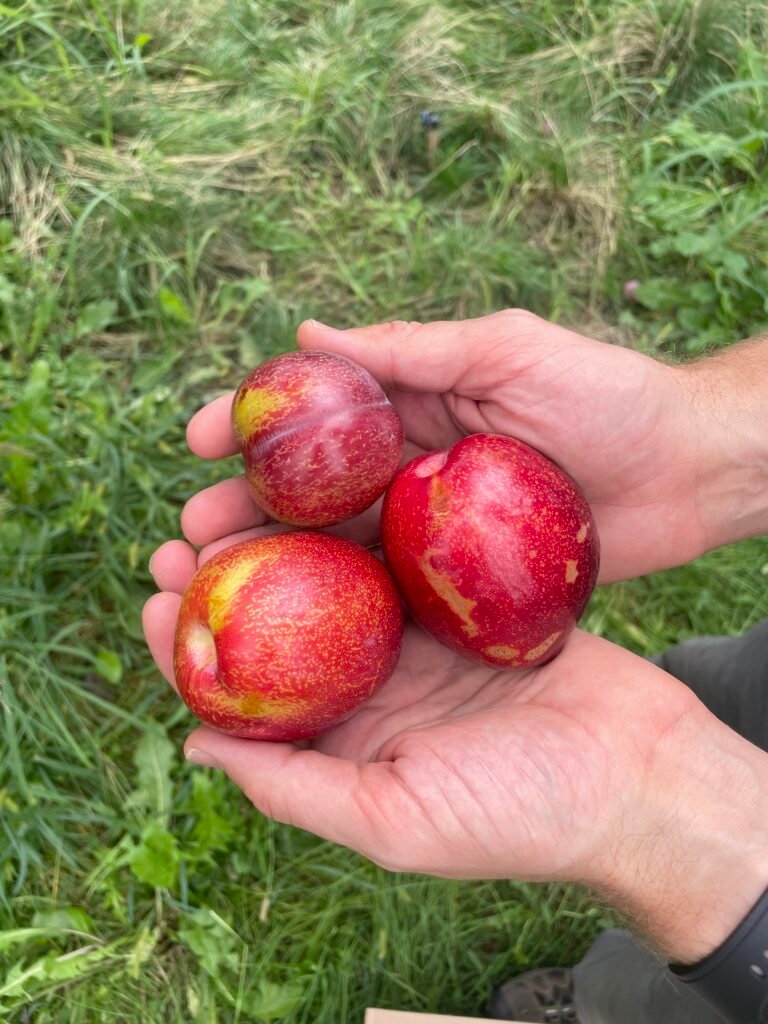
Plums and cherry plums. Hardy plums like Toka, Superior, and LaCrescent bring sweet, aromatic fruit in late summer. Cherry plums such as Sapalta and Deep Purple tolerate late frost better than most fruit trees, which makes them great insurance crops.
Bush cherries. The Canadian prairie cherries, like Juliet, Carmine Jewel, and Crimson Passion, are hardy to -50°F. They stay 8 to 10 feet tall, so they’re easy to pick and net from birds.
Berries. Serviceberries (also called Saskatoons) taste a lot like blueberries without needing acidic soil, and they’re native to Idaho. Our packages may include named varieties like Smokey and Northline, chosen for their track record of excellent fruit. Elderberries such as York or Nova, currants, and gooseberries are all extremely cold-hardy and ripen in early to mid summer. Fall-bearing raspberries also do very well in cold areas.
Hazelnuts. Cold-hardy hybrid hazelnuts are wind-pollinated in late winter, so late frosts are less likely to hurt the crop.
Where You Plant Matters as Much as What You Plant
In the mountains, a few feet can make a big difference in how well your trees produce.
- Avoid low spots. Cold air flows downhill and settles like water. Gentle slopes let frost drain away from blossoms.
- Use south-facing warmth for apples and pears. A south wall or a pile of rocks soaks up daytime heat and can push ripening a week or two earlier.
- Keep apricots cool. Apricots bloom earliest of all, so a north or east exposure keeps them dormant longer and helps blossoms dodge late frost.
- Plant in spring. Bare-root trees planted as soon as the ground thaws have the whole season to root in before winter.
- Protect from wildlife. Deer, elk, and rabbits are often the biggest threat to young mountain trees, so plan for fencing or cages from day one.
A Permaculture Orchard Works Even Better in Cold Country
A permaculture orchard is more than a row of trees. Native flowers and shrubs planted around the fruit attract pollinators and the tiny beneficial insects that keep pests in check, so you spray less and work less.
This matters even more in the mountains, where the bloom window is short and every pollinator counts. Many of the best companion plants, like yarrow, blanket flower, penstemon, showy milkweed, and asters, are native to Idaho and shrug off mountain winters. Plants that bloom in early and midsummer do especially well, since they fit neatly inside a short season.
Let Us Build Your High Country Orchard
We created the High Country Permaculture Orchard for families in Idaho’s coldest, shortest-season communities. Each package includes 20 named serviceberry varieties, 25 fruit trees and berry plants selected to give them the best chance of ripening in a short summer, plus 15 native shrubs and 72 companion perennial plugs, all for $3,000. Exact varieties may vary with nursery availability, but every plant is selected for cold, short-season sites. Our trees are standard size, not dwarf, and ship dormant and bare root for strong spring establishment. Because these specialty varieties come from nurseries in very cold northern regions, they arrive smaller than the trees you may see from Oregon and California growers. Trees are typically 3 to 5 feet tall, and berry plants 1 to 3 feet. Smaller bare-root plants often establish quickly and catch up within a few seasons. You pick up the orchard package in spring from our location in Weiser, Idaho.
For mountain sites, we recommend adding the orchard package above into our Sovereign Blueprint. Along with the plant package, we visit your property, evaluate your slope, sun, and frost pockets, and design a planting layout that gives every tree its best chance. Blueprint packages start at $5,000, with final price depending on location.
Wondering whether your property is a good fit? Contact us and we’ll help you find out. With the right plants in the right places, you give your family a real shot at homegrown fruit, even in Idaho’s high country.